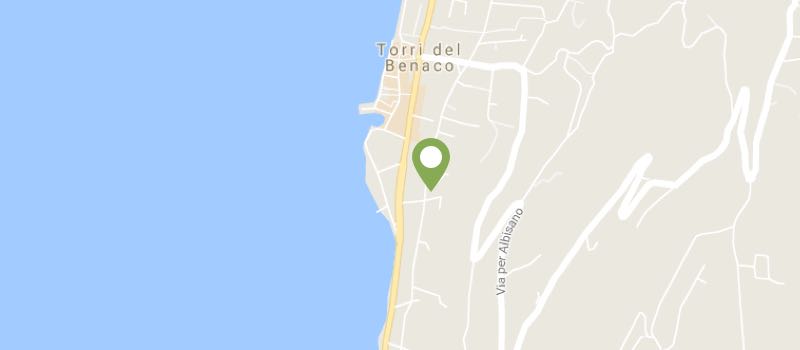
Few territories in Italy can boast a winemaking tradition as ancient and continuous as the one surrounding Lake Garda. Vines have grown on the shores of the Benaco since the Bronze Age — the grape seeds found in the pile dwellings of Peschiera del Garda are the oldest evidence of this. It was the Romans who later shaped a true wine culture in this area, transforming the morainic hills and gravelly soils of the eastern shore into one of the most suited winegrowing areas in the country. The autumn months, with the harvest turning the vineyards gold, are the best time to discover the wines born just a few kilometers from Torri del Benaco — a journey in a glass that has nothing to envy from Italy’s great wine regions.
Bardolino and Chiaretto: the local wine
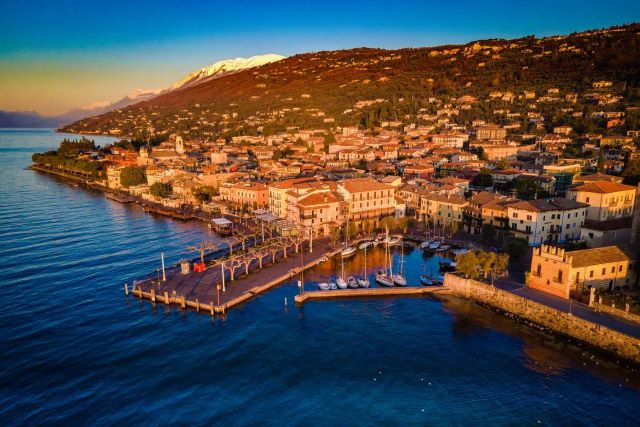
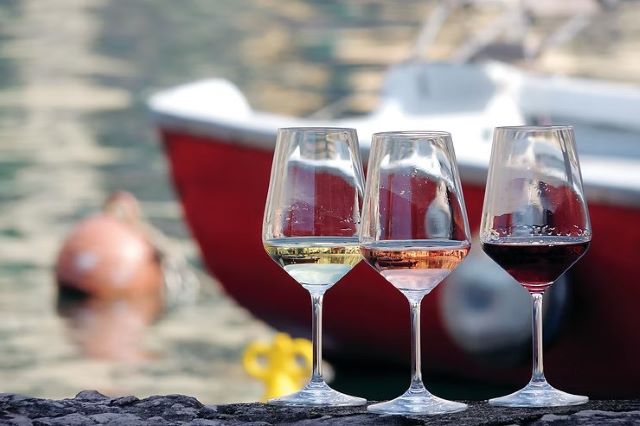
The wine closest to Torri del Benaco has a precise name: Bardolino DOC. Light, fresh, with notes of red fruit and a natural drinkability that makes it perfect for any occasion, Bardolino is born on the morainic hills of the lake’s eastern shore — the same hills visible on the way up to Albisano. Its modern history officially began on May 28, 1968, with the establishment of the denomination, though its roots go back much further. Its rosé sibling, Chiaretto di Bardolino, is today Italy’s best-selling rosé, with around 10 million bottles a year — a success built on a delicate, pale pink wine with citrus and floral aromas that evoke the lake and summer. Both are made mainly from the native Corvina Veronese grape, and are the most authentic expression of the territory surrounding Torri.
Valpolicella: from the hinterland to the world
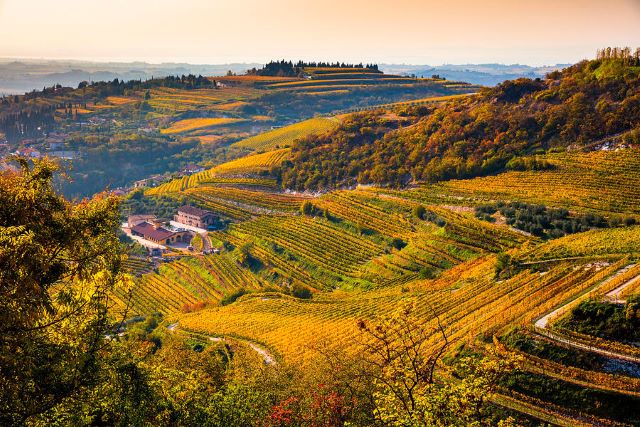
A few kilometers inland, behind the hills that form the backdrop to Torri del Benaco, lies one of the most famous wine territories in the world: Valpolicella. Here, from the same native grape varieties — Corvina, Rondinella and Molinara — comes an extraordinarily rich family of wines. Valpolicella Classico, fresh and easy-drinking, is the everyday wine. Ripasso, re-fermented on Amarone’s grape skins, is more structured and complex. And then there’s the star — Amarone della Valpolicella DOCG, made from grapes dried for months on racks and aged in barrel for years: a powerful, enveloping wine with notes of dried fruit, chocolate and spice that have made it famous worldwide. Rounding out the family is Recioto, a sweet, dried-grape wine already appreciated by the Romans — the oldest of them all.
Lugana and Custoza: the whites that surprise
Often overlooked by visitors to Garda, yet extraordinary. Lugana DOC comes from the southern shore of the lake, between Sirmione and Peschiera del Garda, made from Turbiana grapes grown on clay-rich, mineral soils. Elegant and fresh, with notes of green apple, jasmine and white peach, it’s one of Italy’s most celebrated whites and one of the best pairings for lake fish. Its history is as old as that of the Selva Lucana, the marshy woodland the Republic of Venice drained in the 15th century to make way for cultivation. Custoza DOC, produced inland between Peschiera and Verona, is instead a contemporary, versatile white made from a blend of native grapes including Garganega — the same variety used in Soave — with a freshness and minerality that pairs perfectly with antipasti and the first courses of Garda cuisine.
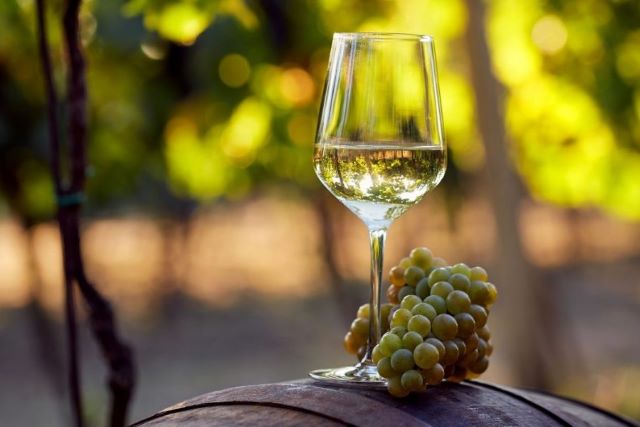
September and October are the most beautiful time to explore this territory. The vines are heavy with grapes, wineries open their doors for tastings, and the air smells of harvest. It’s a time of celebration, sharing, and connection with the land. And Torri del Benaco is the perfect base to start from. In a few minutes you can reach the vineyards of Bardolino, in half an hour those of Valpolicella, and in just under an hour the estates of Lugana. What are your tastes? We’ll be happy to recommend the best stops and help you plan a tailor-made itinerary through the wines of our area.