There's a wine that owes its existence to a moment of distraction. In 1936, at the Cantina Sociale della Valpolicella in Arbizzano, head cellarman Adelino Lucchese forgot about a barrel of Recioto — the sweet wine that was then the great protagonist of the area. Instead of being stopped as usual, fermentation carried on to the end, turning all the sugars into alcohol. The result was a dry, powerful, slightly bitter wine. Legend has it that as Lucchese tasted it, he exclaimed: "This isn't an amaro, it's an Amarone!" And from that moment on, the myth began.
The grapes and the secret of appassimento
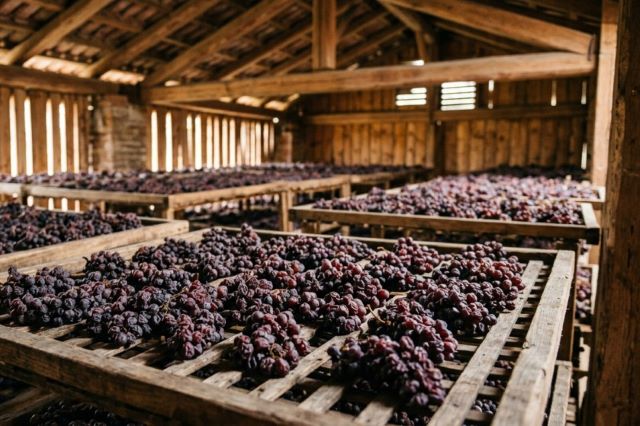
Unlike many of Italy's great reds, Amarone is born from a blend of native varieties: Corvina, which gives it ruby colour and notes of cherry and sour cherry; Corvinone, which brings structure and spiced notes; and Rondinella, more aromatic and rich in sugars. After the bunches are selected and hand-picked by expert eyes, the grapes are moved to the “fruttai”, ventilated rooms where they're left to dry for 90 to 120 days. During this drying process, known as “appassimento”, the grapes lose up to 40% of their water weight, concentrating sugars, aromas and flavour compounds — so much so that a bottle of Amarone requires nearly twice the grapes needed for an ordinary wine.
From fermentation to the long rest in oak
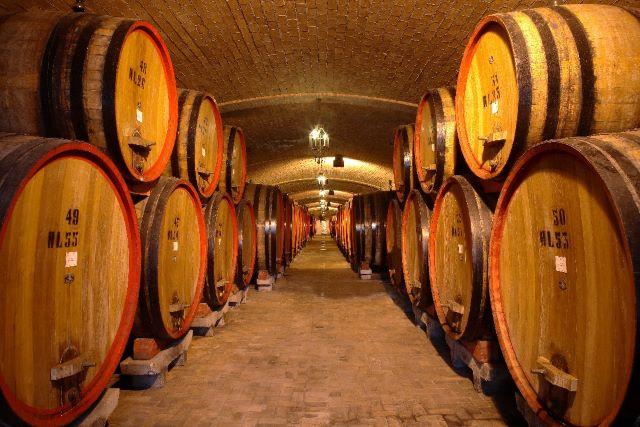
After months of drying, the grapes are finally pressed. The must, extremely rich in sugar, ferments slowly — up to 30 days, twice as long as an ordinary wine — becoming a wine of great power, between 15 and 17 degrees of alcohol. What follows is a minimum ageing period of two years, traditionally in large Slavonian oak barrels, which impart only light woody notes, leaving the wine's fruity soul intact. The bottle doesn't reach the market until at least three years after harvest.
Valpolicella and its valleys
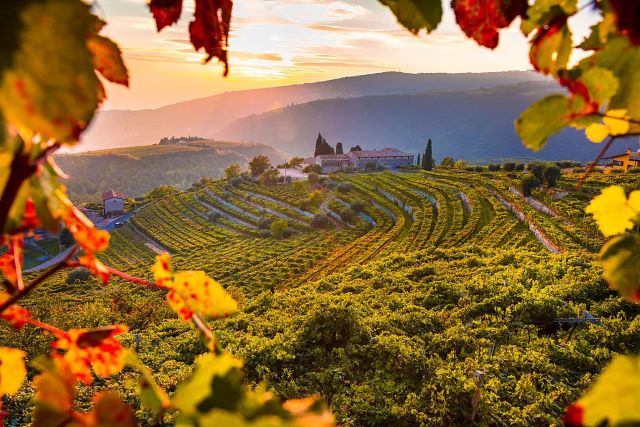
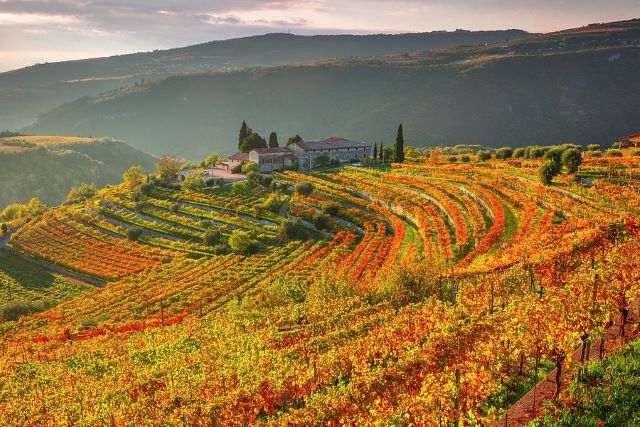
The name itself tells a story: Valpolicella is thought to come from the Latin “Vallis Polis Cellae”, "the valley of many cellars" — the small cellars carved into the rock where, since ancient times, wine was stored. The area lies northwest of Verona, spread across ten hilly valleys with calcareous and clay soils, and a microclimate perfectly suited to appassimento and hard to replicate anywhere else.
In the glass: a sensory experience
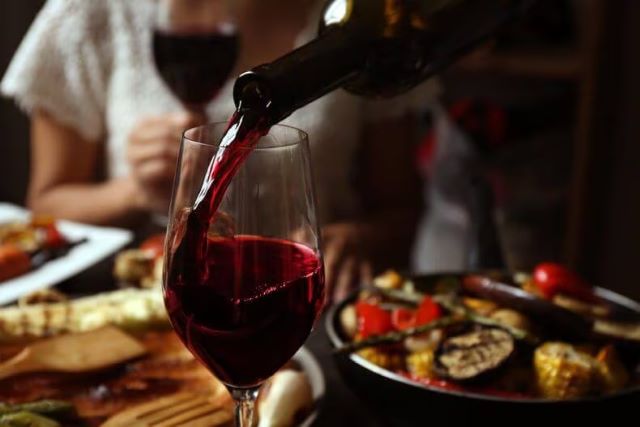
Opening a bottle of Amarone is always a special occasion, almost a ritual. The colour is a deep ruby red that turns garnet with age. On the nose, it's an explosion of ripe fruit — cherry, plum, black cherry — interwoven with dark chocolate, tobacco and spice. On the palate it's warm, enveloping, with silky tannins and a long finish. Serve at 18-20°C in a large glass; it pairs beautifully with rich braised meats, aged cheeses, game — and why not, with black truffle from Monte Baldo, which grows just a few kilometres from the vineyards that produce it. A pairing well worth trying!
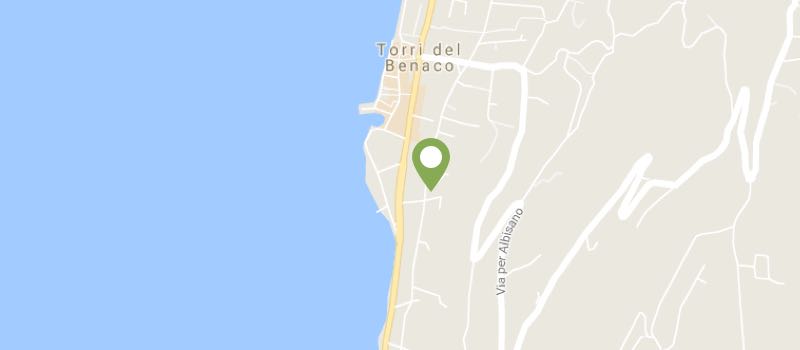
Valpolicella is less than half an hour from Torri del Benaco, and October is without doubt the most beautiful time to visit, with the vineyards still full of the last red leaves and the wineries busy with vinification. Many estates open their doors for guided tastings. The valley is buzzing with activity and the atmosphere is one of a kind! Ask at the reception: we'll be happy to recommend the most interesting wineries and help you plan an unforgettable day among the vineyards of Valpolicella.