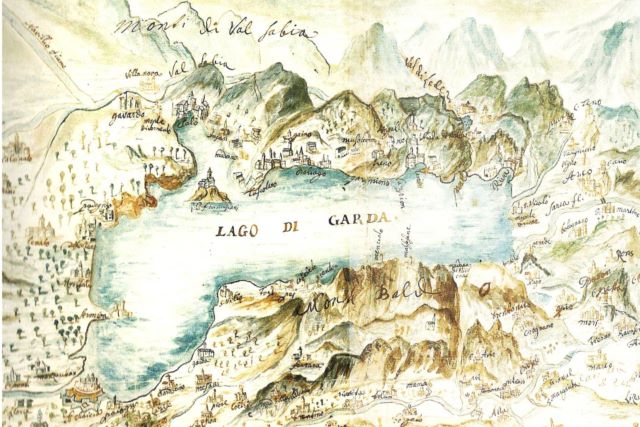
The roots of this story go back to the 13th century, when Franciscan friars from the San Francesco convent in Gargnano introduced the first citrus plants from the Ligurian Riviera. Initially grown in small, protected gardens, these trees found a surprisingly favorable habitat in Lake Garda’s microclimate—a sort of Mediterranean bubble set among the Prealps. Yet, for lemons to survive at what is still today the northernmost latitude in the world for their cultivation (the 46th parallel) nature alone was not enough. Human ingenuity was essential. Between the 15th and 17th centuries, the landscape was transformed with the creation of the first permanent “citrus gardens,” marking a successful challenge against winter frosts that could destroy years of work in a single night.
The Engineering of Glass and Stone: the “Cathedrals of Light and Stone”
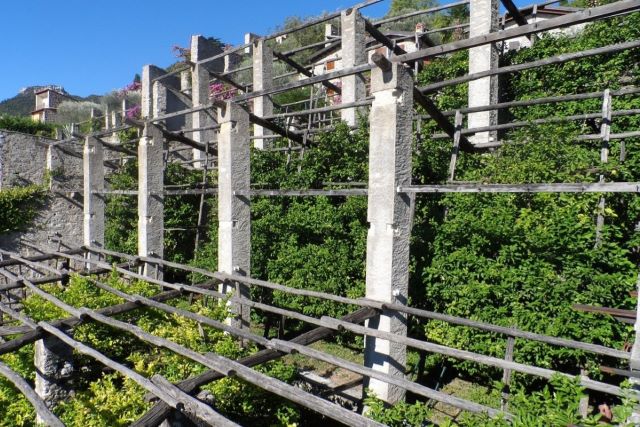
The architecture of the lemon houses is a masterpiece of artisanal ingenuity, often evoked today as a kind of “stone cathedral” for its striking structure of pillars and terraces. These constructions rest on thick perimeter walls, oriented northward to block cold winds and retain the sun’s warmth. The distinctive white pillars — the colonnagne — support a framework of wooden beams which, with the arrival of November, was enclosed with glass panels and wooden boards (assetti), turning the whole into a sheltered environment. Inside, a system of channels carried water to the roots, while on the coldest nights small fires were lit. It required constant, often nocturnal, vigilance — a demanding task, yet essential to protect what had, over time, become the true treasure of the region.
The Lemons of Lake Garda: An Economy That Reached Across Europe
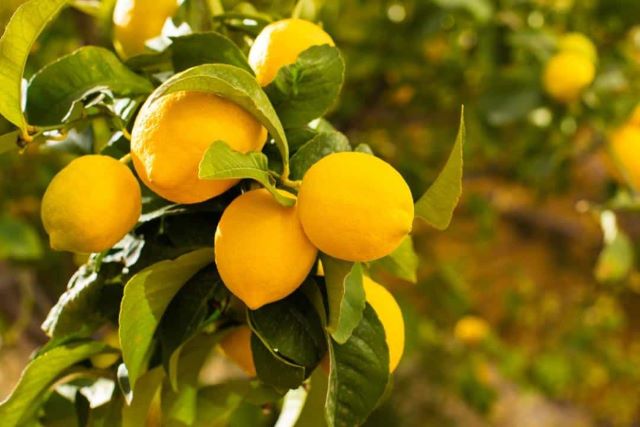
By the mid-18th century, lemon cultivation had evolved from a niche activity into a trade with a European reach. The so-called “golden fruits” of Lake Garda—especially the prized Madernina variety, known for its thin peel and intense fragrance—became the economic driving force of the area. Their importance was not only culinary. At a time when scurvy posed a serious threat to sailors, their high vitamin C content made these citrus fruits extremely valuable, and they were in demand by navies across Europe.
May in Torri del Benaco: A Sensory Triumph at the Castle
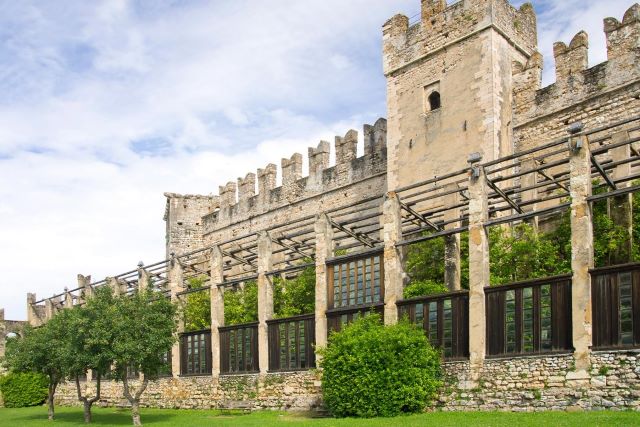
Today, a symbol of this heritage is the lemon grove of the Scaliger Castle in Torri del Benaco, built in 1760 and one of the few on the Veronese shore still perfectly preserved and in use. Entering this terraced garden—where lemons and citrons climb toward medieval battlements—is like stepping back in time. Open to visitors throughout the year, it is in May that it reveals its most enchanting side: the blooming of the zagare, the lemon blossoms. Their sweet, enveloping fragrance drifts through the streets of the historic center and along the lakeshore, creating a truly unique atmosphere.
It is in this moment that Torri del Benaco fully reveals itself, preserving—through history, nature, and scent—the secret of a timeless epic.